Gingerbread House Christmas Tumbler Graphics & Crafts
When a small batch candle studio asked me to help them refresh their holiday product photography and social media presence, I immediately started searching for a graphic design asset that could tie their seasonal packaging, Instagram carousel, and email banners together without feeling like clip art. The Gingerbread House Christmas Tumbler Wrap landed in my workflow at exactly the right moment. What stood out right away was how the illustration balanced nostalgic charm with clean, usable composition — something that matters more than most people realize when you are building a creative design kit for a real brand launch.
First Impression and Emotional Tone of the Design
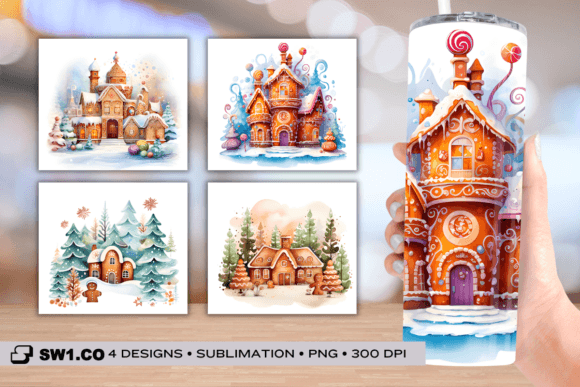
Opening the download, the first thing I noticed was the warm, hand-drawn character of the gingerbread house motif. The Gingerbread House Christmas Tumbler Wrap immediately sets a cozy, inviting mood. It does not scream for attention. Instead, it leans into a gentle, storybook feeling that naturally attracts audiences who respond to handmade aesthetics, small-town holiday energy, and family-oriented content. For brand owners and content creators, this emotional tone opens up a wide lane for audience trust and connection. The visual mood reads as approachable rather than formal, casual rather than corporate, and nostalgic rather than trendy. That matters when you are trying to build recognition through consistent marketing visuals.
In my experience, design assets that evoke this specific feeling work exceptionally well for small business branding in niches like home fragrance, artisanal food, handmade skincare, children's party goods, and seasonal subscription boxes. The asset does not feel like generic stock imagery. It brings a point of view, which is something I always look for when selecting printable design elements for client campaigns.
How the Asset Performs in Real Marketing Campaigns
I tested the Gingerbread House Christmas Tumbler Wrap across several sample layouts to see how it would behave in different marketing contexts. Here is where it performed strongly and where it needed some adjustment.
Social Media Graphics and Pinterest Pins
For Instagram posts and Pinterest pins, the design worked beautifully as a hero element. Placed behind a product photo or used as a decorative frame, the tumbler wrap illustration added depth without overwhelming the main subject. On Pinterest, the warm color palette and recognizable gingerbread shape helped the test pin stand out in a search feed dominated by overly bright holiday graphics. The social media graphics felt curated rather than templated, which is a distinction that can significantly impact saves and click-through rates.
Packaging Design and Product Labels
When I mocked up a candle jar label and a small box insert, the PNG design held its resolution and clarity at print size. The crisp edges and balanced composition made it suitable for packaging design and product label applications. For handmade product sellers, wrapping the design around a straight tumbler or using it as a belly band on a gift box adds an instant layer of professional branding without requiring expensive custom illustration work. I appreciated how the design left enough breathing room for brand names, scent descriptions, or short holiday messages.
Email Banners and Digital Ads
In email newsletter headers and Facebook ad mockups, the asset worked best when paired with a clean sans serif font and plenty of white space. The gingerbread motif gave the digital ad a clear seasonal identity without cluttering the message. For digital ads and email banners, the asset helped establish visual hierarchy quickly — the eye goes to the product, then to the decorative element, then to the call to action. That flow is exactly what content marketing teams need when designing for fast-scrolling audiences.
Canva Templates and Lead Magnets
As a Canva template element, this design asset fits naturally into holiday recipe cards, printable gift tags, and seasonal content upgrades. I tested it inside a free downloadable holiday planner mockup, and the gingerbread house worked as a charming header accent. For bloggers and publishers, integrating the Gingerbread House Christmas Tumbler Wrap into a lead magnet or editorial graphic can make the resource feel more polished and giftable. Small touches like this contribute to stronger audience perception and improved trust over time.
Where the Design Creates the Strongest Brand Impact
After running through multiple use cases, I found the Gingerbread House Christmas Tumbler Wrap delivered the most value in these specific areas:
- Hero graphics for seasonal campaign landing pages
- Product launch visuals for limited edition holiday items
- Branded templates for social media stories and reel covers
- Packaging accents for handmade goods and gift sets
- Content bundles such as advent calendar graphics or printable ornaments
- Promotional banners for holiday sales and market pop-ups
- Editorial layouts in blog posts, lookbooks, and digital magazines
- Decorative brand elements for thank-you cards and order inserts
In each of these scenarios, the design supports a clearer visual hierarchy and a more memorable campaign visual. The asset does not try to be the entire story. It acts as a supporting character that strengthens the overall brand narrative. That is a sign of a well-crafted digital product and a thoughtful creative marketplace addition.
Marketing Goals the Asset Can Help Achieve
From a brand strategy perspective, the Gingerbread House Christmas Tumbler Wrap helps move the needle on several marketing objectives simultaneously. First, it creates a stronger first impression by giving audiences an immediate visual cue about the brand's personality and seasonal relevance. Second, it supports more consistent branding across multiple touchpoints — from product packaging to social media covers to printable inserts. Third, the warm, nostalgic tone fosters emotional connection and audience trust, which are critical for small businesses competing against larger retailers during the holiday season. Fourth, the professional finish of the design contributes to better product presentation and improved engagement on visual platforms. Finally, the recognizable gingerbread motif aids stronger recognition when used repeatedly across a campaign, helping audiences remember the brand long after the season ends.
When to Use the Design With Caution
As much as I appreciate this asset, I would not recommend using it everywhere without consideration. In formal corporate branding contexts, the whimsical gingerbread style may feel out of place. Dense information layouts like text-heavy infographics or multi-column flyers can overwhelm the delicate linework and cause the design to lose its impact. On small mobile graphics, the intricate details may not read clearly, so testing at reduced sizes is essential. Low-contrast backgrounds can wash out the warm tones, making the design appear muddy. For overly minimal brands that rely on stark typography and monochrome palettes, the gingerbread motif may clash with the existing visual language. Finally, in text-heavy ads where the main message must dominate, the asset should be used sparingly to avoid competing with the headline and call to action.
Practical Brand Designer Notes and Testing Checklist
Before finalizing any campaign with this design asset, I always run through a mental checklist that has saved me from costly revisions. Here is what I recommend for anyone working with the Gingerbread House Christmas Tumbler Wrap:
- Test with the brand color palette. Check how the gingerbread tones interact with the brand's primary and secondary colors. Make small adjustments to background hues if needed to maintain harmony.
- Check black and white usage. If the design will appear in print materials that may be photocopied or printed in grayscale, verify that the contrast levels remain readable and the mood still translates.
- Place it inside real campaign mockups. Do not evaluate the asset in isolation. Mock it up on a product label, an Instagram post, and an email header to see how it behaves in context.
- Preview on mobile screens. Shrink the design to thumbnail size and check if the gingerbread house remains recognizable. If the details blur, consider using a simplified version for small formats.
- Test readability in small sizes. If you plan to overlay text on the design, review the legibility at different font sizes and weights.
- Compare against competitor visuals. Look at what other brands in the same niche are using for holiday graphics. Make sure the asset helps the brand stand out rather than blend in.
- Check font pairings. The design pairs well with serif fonts for a classic feel, sans serif fonts for a clean modern look, script fonts for an elegant touch, handwritten fonts for a personal feel, and display fonts for bold headlines. Test each combination to find the right tone for the campaign.
- Review spacing and balance. Ensure the asset has enough breathing room around it. Crowding the design with text or other graphics will reduce its effectiveness.
- Confirm commercial licensing. Always verify the commercial license terms before using the asset in paid campaigns, client work, or business branding. This protects both the designer and the brand.
Why This Asset Stands Out in a Crowded Creative Marketplace
The creative marketplace is flooded with holiday graphics, but many of them lean too heavily on bright, busy compositions that compete with the brand message rather than supporting it. The Gingerbread House Christmas Tumbler Wrap takes a different approach. It offers a modern design sensibility with a handcrafted feel, making it versatile enough for both digital ads and editorial design. For content creators and small business owners who need to produce professional branding materials on a tight timeline, having a reliable PNG design that can be dropped into multiple formats saves hours of design time. When combined with other design assets in a design bundle, the gingerbread wrap can anchor a complete seasonal visual identity. Whether used as a standalone illustration or integrated into a larger web design layout, the asset consistently adds warmth and polish. For anyone building a commercial design toolkit for holiday campaigns, this graphic design asset earns its place in the rotation.